Generated with AI2 min read
Fishing Lure
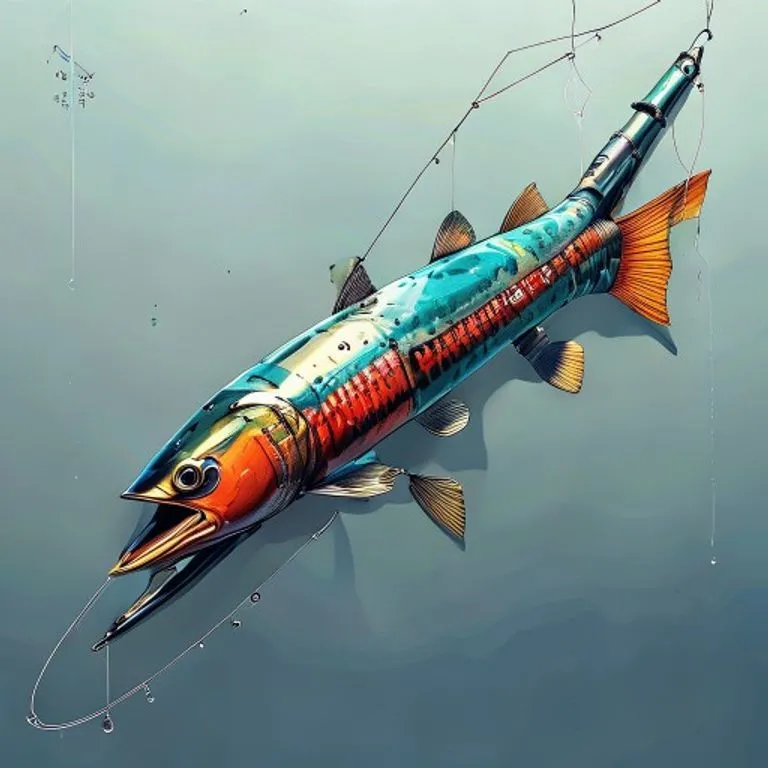
Brief description
A fishing lure is an artificial attractor used to provoke strikes by mimicking the movement, flash, or silhouette of prey. It replaces or enhances natural bait on a line.
Use / Function
- Attraction: Triggers curiosity or feeding response through motion or shine.
- Targeting: Size and profile help select fish species.
- Efficiency: Reusable and less dependent on fresh bait.
Operating principle
A lure creates stimulus patterns such as vibration, wobble, or glint that fish interpret as prey. When paired with a Fishing Hook, the strike sets the hook as tension is applied through the line.
How to create it
- Shape the body: Carve Wood or Bone into a small fish or insect profile.
- Add weight or balance: Adjust thickness and carve a tapered belly for stable wobble.
- Attach the hook: Lash or wire an Iron hook to the body.
- Create movement: Cut a shallow lip or angled face to make it dive and oscillate.
- Seal and protect: Coat with Resin to reduce water absorption.
Materials needed
- Essential: Wood or bone body, iron hook.
- Binding: Plant fibers for lashings.
- Tools: Knife, awl, file, small drill, fire for hardening.
- Substitutes: Thorn or sharpened bone point for a hook, carved shell for body.
Variants and improvements
- Floating lure: Lightweight body that stays near the surface.
- Sinking lure: Weighted body for deeper water.
- Spinner: Thin metal blade that flashes when pulled.
- Feathered lure: Fibers or feathers tied to mimic insects.
Limits and risks
- Snags: Hooks catch on submerged wood or weeds.
- Durability: Wood swells if not sealed.
- Target confusion: Some fish ignore lures without scent.