Generated with AI2 min read
Grouse Pit
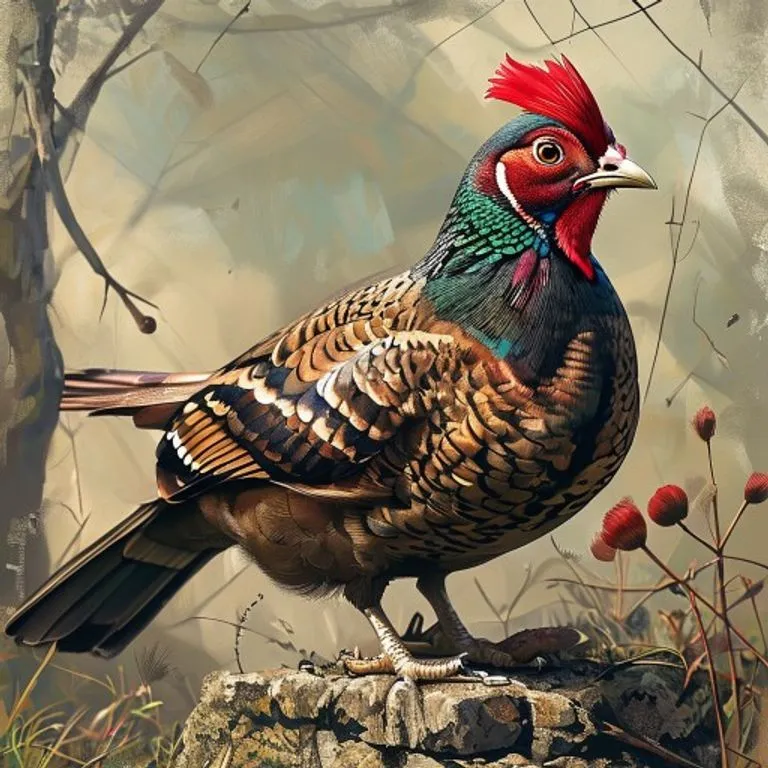
Made of
Brief description
A grouse pit is a shallow, covered pit trap designed for ground birds. It uses a camouflaged lid and guiding wings to encourage birds to step onto a weak cover and drop into the pit.
Use / Function
- Food capture: Collects ground birds such as grouse or partridge.
- Low hardware: Relies on digging and camouflage rather than springs or metal.
- Quiet operation: No loud snap or moving parts.
- Scale: Individual or small-group use.
Operating principle
A shallow pit is dug and lightly covered. Guide wings of brush or low fences funnel birds toward the cover. When a bird steps onto the weak lid, it gives way and the bird drops into the pit. Smooth walls and a light overhead cover reduce escape.
How to create it
- Select a route: Find a feeding path or dusting area used by ground birds.
- Dig the pit: Use a Shovel to make a shallow hole with smooth sides.
- Shape the lid: Lay thin sticks over the opening and cover with light debris.
- Build guides: Place low brush wings to channel movement toward the lid.
- Bait and check: Use local grains or berries and inspect regularly.
Technical level: Basic digging and camouflage skills.
Materials needed
- Essential: Wood for lid sticks and guides, Plant fibers for lashings, Stone for anchoring and weighting.
- Tools: Shovel, knife.
- Substitutes: Packed snow walls, turf lid, or woven brush for the cover.
Variants and improvements
- Hinged lid: A simple hinged cover that swings shut to reduce escape.
- Snow pit: Winter version with snow walls and a thin crust lid.
- Wing funnel: Longer guide wings to improve approach rate.
- Clustered pits: Multiple pits along a travel line to improve yield.
Limits and risks
- Non-target capture: Can trap protected birds or small mammals.
- Collapse: Loose soil can cave in during digging.
- Flooding: Rain can fill pits and spoil use.
- Legal limits: Many regions restrict bird trapping.