Generated with AI3 min read
Gas Welder
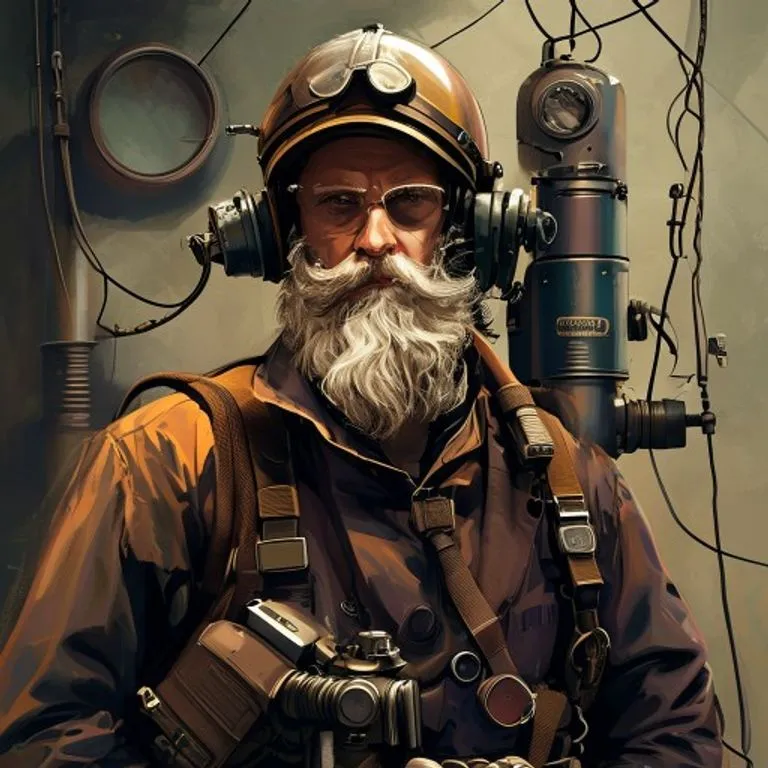
Made of
Gas Welder (Oxy-fuel)
Equipment that uses the combustion of a fuel gas (usually acetylene) mixed with pure oxygen to produce a very high-temperature flame, capable of melting most commercial metals.
Use / Function
- Welding: Joining ferrous and non-ferrous metals by melting the edges and adding material with a Filler Rod.
- Cutting (Oxy-cutting): Using an extra jet of oxygen to burn and cut steel.
- Heating: To bend, forge, or heat-treat metals.
- Brazing: Joining metals without melting the base metal, using a filler with a lower melting point (like bronze).
Operating principle
The combustion of Acetylene with Oxygen produces a flame that reaches approximately 3,100 °C (5,600 °F), the highest flame temperature of common fuel gases. This concentration of heat allows melting the metal locally (“weld pool”) while protecting it from oxidation through the gases of the combustion itself.
How to create it
Creating gas welding equipment from scratch is complex and dangerous due to the need to handle gases under pressure and the risk of explosion. However, the basic components are:
- Gas Generators:
- Acetylene: Can be generated in a “generator” by mixing Calcium Carbide with Water in a controlled manner.
- Oxygen: Difficult to generate at high pressure at home. It can be obtained chemically or by electrolysis, but storage is the challenge.
- Hoses: Flexible and resistant ducts to carry the gases. They must be made of materials that do not react with acetylene (avoid pure copper, use rubber or brass).
- Torch: A mixing device (usually Brass) with valves to regulate the proportion of gases and a nozzle where the mixture comes out.
- Safety Valves: Flashback arrestors to prevent fire from traveling back through the hose to the generator (essential to avoid explosions).
Materials needed
- Acetylene: Fuel gas.
- Oxygen: Oxidizing gas.
- Brass: To build the torch and valves (copper reacts dangerously with acetylene).
- Hoses: For gas transport.
- Filler Rod: Metal compatible with the piece to be welded.
Variants and improvements
- Propane/Butane Welding: Reaches lower temperatures. Useful for soldering, brazing, and heating, but not ideal for welding structural steel.
- Cutting Torch: Includes a lever to release a jet of pure oxygen that oxidizes (burns) the hot metal violently, allowing for cutting.
Limits and risks
- Explosion: Acetylene is unstable at pressures above 15 PSI (1 bar). Free acetylene should never be compressed.
- Flashback: The flame can travel back into the equipment if the pressure is low, causing explosions. Flashback arrestor valves are required.
- Toxic Gases: Welding galvanized (Zinc) or painted metals releases poisonous fumes.
- Burns: The equipment and the piece remain hot for a long time.
- Eye Damage: Although less intense than the electric arc, it requires dark goggles (shade 5) to protect from bright light and IR/UV radiation.