Generated with AI3 min read
Bimetallic Strip
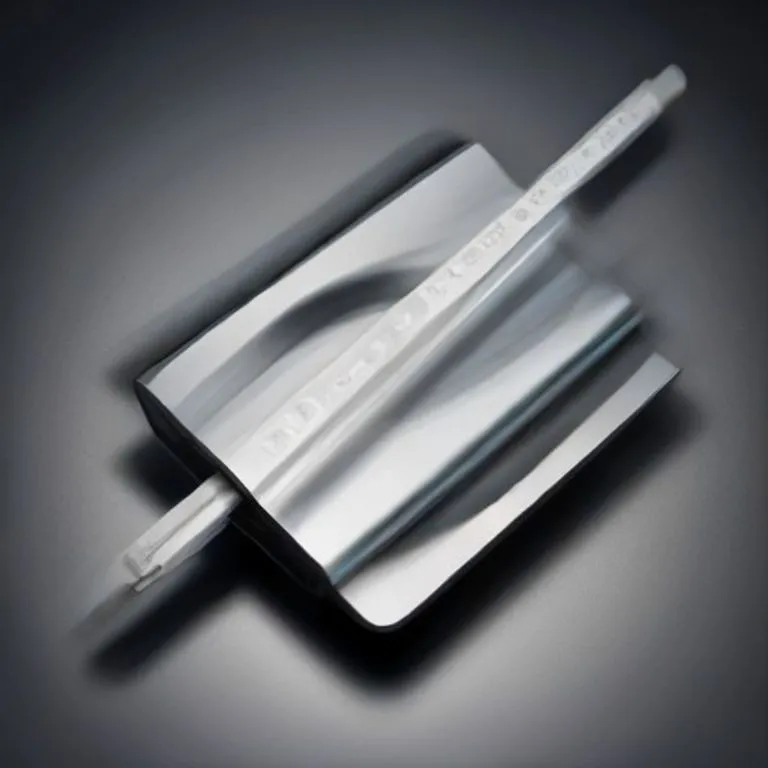
Brief description
A strip composed of two different metals bonded together, which bends predictably when heated or cooled due to differing thermal expansion coefficients.
Use / Function
- Primary use: Mechanical thermal actuation and temperature control (thermostats, circuit breakers, dial thermometers).
- Secondary uses: Thermal compensation in precision clocks, steam traps, and over-current protection devices.
- Scale: Small component / Instrument level.
Operating principle
The bimetallic strip relies on differential thermal expansion:
- Dual Layer Bonding: Two metals with significantly different coefficients of thermal expansion (e.g., brass expands rapidly, steel expands slowly) are mechanically joined or welded along their entire length.
- Thermal Response: When heated, the high-expansion metal expands more than the low-expansion metal.
- Curvature: Because the two layers are rigidly bonded, the length difference forces the strip to bend into an arc toward the side of the metal with the lower expansion rate.
- Reversibility: Upon cooling, the strip contracts back to its original flat shape (or bends in the opposite direction if cooled below room temperature).
How to create it
Minimum functional version
- Material Selection: Obtain two thin, flat strips of equal dimensions: one of high thermal expansion (Brass) and one of low expansion (Steel).
- Surface Cleaning: Thoroughly clean and degrease the joining surfaces with solvent and light abrasives.
- Joining: Rivet the two strips tightly together along their length at regular intervals, or solder/braze them into a solid laminate.
- Calibration: Heat the strip gently over a flame to verify uniform bending toward the steel side upon heating.
Technical level
Basic to Intermediate. Requires clean metal surfaces and tight mechanical bonding or brazing.
Materials needed
- Essential materials:
- Tools:
- Metal shears, drill or hole punch, hammer, torch or soldering iron.
Variants and improvements
- Helical / Spiral Bimetal Coil: Coiling the long strip into a spiral amplifies angular displacement, ideal for dial thermometers and clock balance wheels.
- Snap-Action Disc: Pre-stressed disc shape that flips abruptly at a threshold temperature, creating a crisp make-or-break electrical contact.
- Invar Alloy Combination: Pairing brass with Invar (nickel-iron alloy with near-zero expansion) maximizes deflection sensitivity per degree.
Limits and risks
- Delamination: Repeated heating cycles or excessive bending force can separate the bonded metals.
- Plastic Deformation: Overheating beyond the elastic limit permanently deforms the strip, ruining calibration.
- Slow Response: Thicker strips have high thermal mass and respond slowly to temperature changes.