Generated with AI4 min read
Bessemer Converter
Brief description
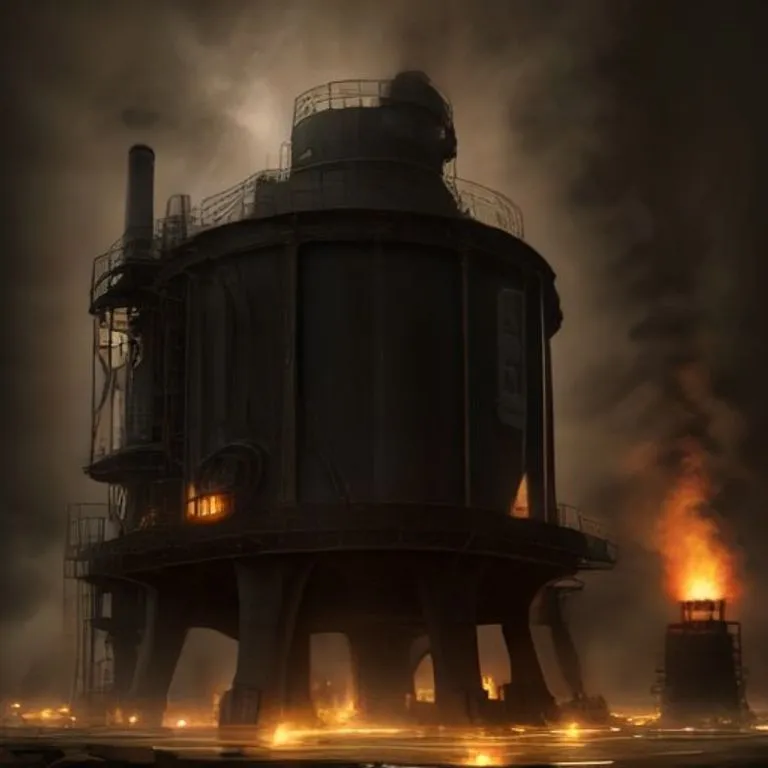
The Bessemer Converter is the primary vessel and apparatus used in the Bessemer process to produce steel from molten pig iron. By blowing high-pressure air through the bottom of the molten metal, it burns away impurities through rapid oxidation without needing external fuel. It is the first machine capable of mass-producing steel cheaply, fueling the infrastructure of modern civilization.
Use / Function
The Bessemer Converter has several critical industrial functions:
- Steel Decarburization: Oxidizing the high carbon content of pig iron to turn it into strong, malleable steel.
- Impurity Removal: Eliminating silicon, manganese, and phosphorus from molten iron.
- Continuous Thermal Reaction: Maintaining high temperatures solely through exothermic chemical reactions without burning additional fuel.
- Scale: Large industrial scale (tons of metal per batch).
Operating principle
The converter operates on the principle of bottom-blown chemical oxidation:
- Air Blast Injection: Preheated or ambient air is blasted at high pressure through small nozzles (tuyeres) located at the bottom of the vessel.
- Exothermic Oxidation: As oxygen forces its way up through the molten pig iron, it reacts chemically with silicon and manganese first, then carbon. These reactions are highly exothermic, generating intense heat (reaching over 1600°C) which keeps the metal entirely liquid.
- Impurities to Gas and Slag: Carbon is oxidized into carbon monoxide (producing a massive, spectacular flame at the mouth of the converter), while silicon and manganese oxidize to form a light slag that floats on top.
- Pouring and Recarburization: Once the flame drops (indicating all carbon is burned), the converter is tilted to dump the slag, and exact quantities of carbon and manganese are added back to achieve the desired grade of steel.
How to create it
Creating a functional Bessemer Converter requires advanced metalworking and masonry techniques.
1. Constructing the Pear-Shaped Vessel
- Forge or roll heavy plates of Iron or steel into a large, pear-shaped container with an open top (mouth).
- Equip the middle of the vessel with heavy horizontal pivot pins (trunnions) mounted on a robust structural frame, allowing the entire converter to tilt.
2. Refractory Lining
- Line the interior with a thick layer of refractory material to protect the metal shell from the extreme heat of molten steel.
- For low-phosphorus ores, use an acid lining made of high-silica Clay or sand.
- For high-phosphorus ores, use a basic lining made of calcined Limestone or dolomite.
3. The Wind Box and Tuyeres
- Install a hollow chamber (the wind box) at the very bottom of the vessel, connected to a rotating joint on one of the trunnions to receive pressurized air.
- Bore numerous small holes (tuyeres) through the bottom refractory lining, leading from the wind box directly into the hearth.
4. Pressure Blower
- Connect the wind box to a heavy-duty air pump or blower, typically powered by a steam engine or water turbine, capable of blasting air at pressures high enough to overcome the weight of tons of molten metal.
Materials needed
- Structural Shell: Heavy plates of Iron or steel.
- Refractory Lining: Refractory Clay, quartz sand, or calcined Limestone.
- Pivoting Frame: Cast iron or structural steel beams.
- Tools: Forging tools, mechanical rollers, high-pressure air blower (steam- or water-powered).
Variants and improvements
- Acid Converter: The original design using silica linings, limited only to pristine iron ores.
- Thomas-Gilchrist (Basic) Converter: Lined with dolomite/limestone, allowing the use of abundant high-phosphorus iron ores.
- Basic Oxygen Furnace (BOF): The modern improvement that replaces the air blast with pure oxygen blown from a lance at the top, preventing nitrogen embrittlement of the steel.
Limits and risks
- Nitrogen Embrittlement: Since air contains 78% nitrogen, blowing air through the metal introduces nitrogen into the steel, making it brittle under stress.
- No Stopping: Once the air blast starts, it cannot be stopped while the vessel is upright, or the molten metal will drain into and clog the air tuyeres.
- Extreme Splash Hazard: The reaction produces violent spitting of molten iron, slag, and toxic carbon monoxide fumes, making the operating area extremely hazardous.
- Refractory Wear: The intense thermal shock and chemical attack from slag erode the inner clay/limestone lining rapidly, requiring frequent relining.