Generated with AI2 min read
Basic Surgery (instruments)
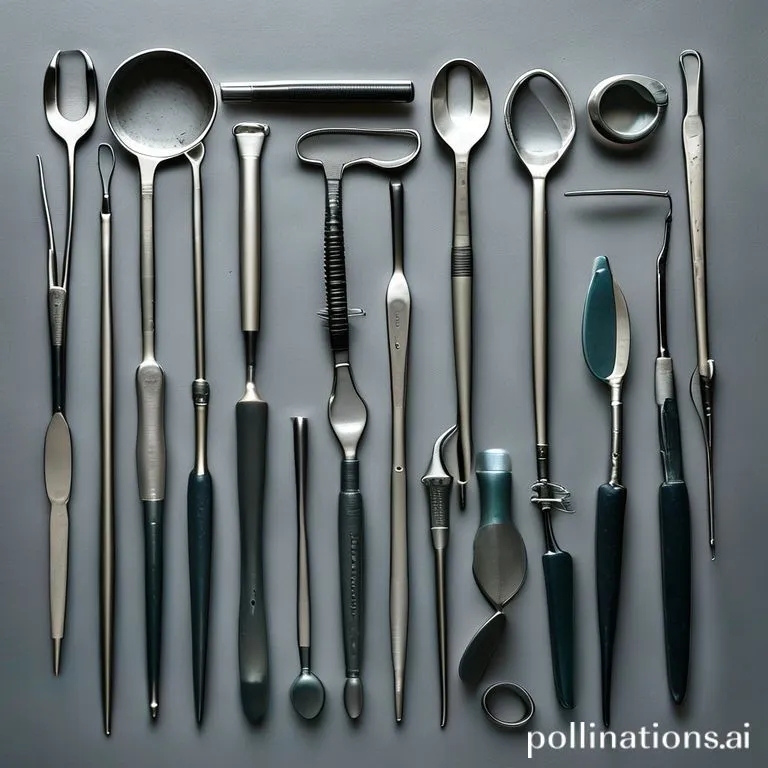
Brief description
A collection of essential instruments designed to perform minor surgical procedures, such as suturing wounds, removing foreign bodies, and draining abscesses.
Use / Function
- Suturing: Closing open wounds to promote healing and prevent infection.
- Debridement: Removing dead or infected tissue.
- Extraction: Removing bullets, splinters, or other foreign objects.
- Hemostasis: Stopping bleeding.
Operating principle
Each instrument has a specific mechanical function:
- Cutting: Scalpels and scissors sever tissue.
- Grasping: Forceps hold tissue or needles without crushing them.
- Retracting: Retractors hold the wound open for visibility.
How to create it
A basic kit should include at least:
- Scalpel: For incisions.
- Surgical Scissors: For cutting tissue and thread (Mayo or Metzenbaum).
- Forceps: For holding tissue (Adson) or clamping blood vessels (Hemostats).
- Needle Holder: To drive the needle through tough tissue.
- Suture Material: Needle and thread.
Materials needed
- Stainless Steel: For all metal instruments (rust resistance and ability to be sterilized).
- Sterilization equipment: Boiling water, alcohol, or autoclave. See Sterilization.
Variants and improvements
- Field Kit: Minimalist, rugged, often includes disposables.
- Operating Room Set: Comprehensive, high-quality steel, reusable.
- Improvised: Razor blades, sewing needles, fishing line (high infection risk).
Limits and risks
- Sterility: The biggest risk is infection. Instruments must be sterilized before use.
- Skill: Possessing the tools does not grant the skill to use them. Improper use can cause fatal damage (severing arteries/nerves).