SyntheticGenerated with AI3 min read
Ferrocement
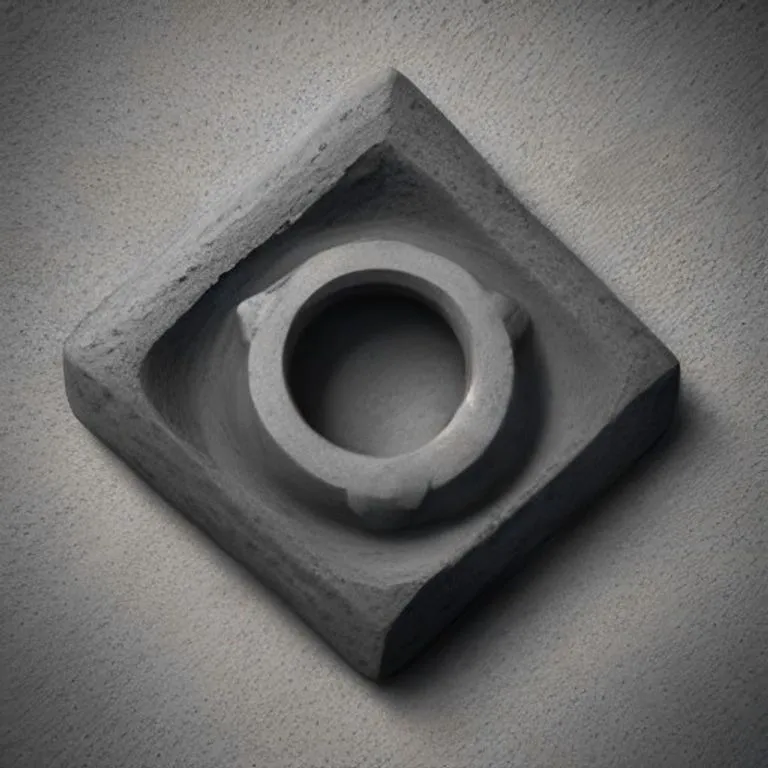
A composite material composed of mortar (cement, sand, and water) reinforced with several closely spaced layers of continuous, relatively fine wire mesh.
Description of what it is like
Ferrocement is a thin-shell composite (typically 10 mm to 30 mm thick) that combines the high compressive strength of cement mortar with the distributed tensile strength and flexibility of steel wire mesh. Unlike heavy reinforced concrete, ferrocement can be easily molded into complex curved shapes without expensive formwork.
Origin and where to find it
- Artificial: It is an engineered composite invented in the mid-19th century by Joseph-Louis Lambot.
- Components: Made by combining woven steel wire mesh, mild steel reinforcing rods, cement binder, fine clean sand, and clean water.
Minimum processing required
- Framework Construction: Form a skeletal structure using flexible steel rods or bamboo to define the target shape.
- Mesh Layering: Fasten multiple layers (typically 2 to 6 layers) of fine Wire mesh tightly over both sides of the skeletal framework.
- Mortar Application: Mix a rich mortar (1 part cement to 2 parts sand with a low water-cement ratio) and force it completely through the wire mesh layers to eliminate voids.
- Surface Finishing: Smooth both exterior and interior surfaces with a trowel to ensure full encapsulation of all metal mesh.
- Curing: Keep the plaster continuously moist for at least 14 days to allow maximum hydration and strength development.
Tools and equipment required
- Wire Cutters & Pliers: For cutting and tying wire mesh tightly.
- Trowels & Plastering Tools: For forcing mortar deep into the mesh matrix.
- Mixing Trough & Shovels: For preparing dense cement mortar.
Common uses
- Water Storage: Construction of low-cost, watertight rainwater collection tanks and cisterns.
- Marine Vessels: Building durable, low-maintenance boat hulls and barges.
- Structural Shells: Dome roofs, grain storage silos, and thin-walled shelters.
Potential substitutes
- Reinforced Concrete: Stronger for heavy structural loads but requires thick sections and heavy formwork.
- Fiberglass: Light and strong, but requires synthetic resins and specialized chemical processing.
- Traditional Masonry: Cheaper for flat walls, but lacks tensile strength and flexural resilience.
Limitations and common failures
- Corrosion of Mesh: Uncovered wire mesh exposed to air or water rapidly rusts, causing spalling and structural breakdown.
- Mortar Voids: Air pockets left within the wire mesh layers weaken the composite and cause water leakage.
- Labour Intensive: Requires careful manual plastering to ensure full penetration through all wire layers.
Risks and safety
- Chemical Burns: Alkaline cement mortar causes skin irritation and chemical burns upon prolonged contact.
- Puncture Wounds: Handling sharp steel wire mesh poses risks of cuts and puncture injuries.
Properties
- High Tensile Strength
- Flexible
- Thin Wall Capability
- Waterproof
- Durable
Used for
- Boat Hulls
- Water Tanks
- Roof Shells
- Grain Silos
Manufacturing / Process
Layering steel wire mesh onto a light skeletal framework and plastering thoroughly with rich cement-sand mortar.