NaturalGenerated with AI2 min read
Acetone (Propanone)
C3H6O
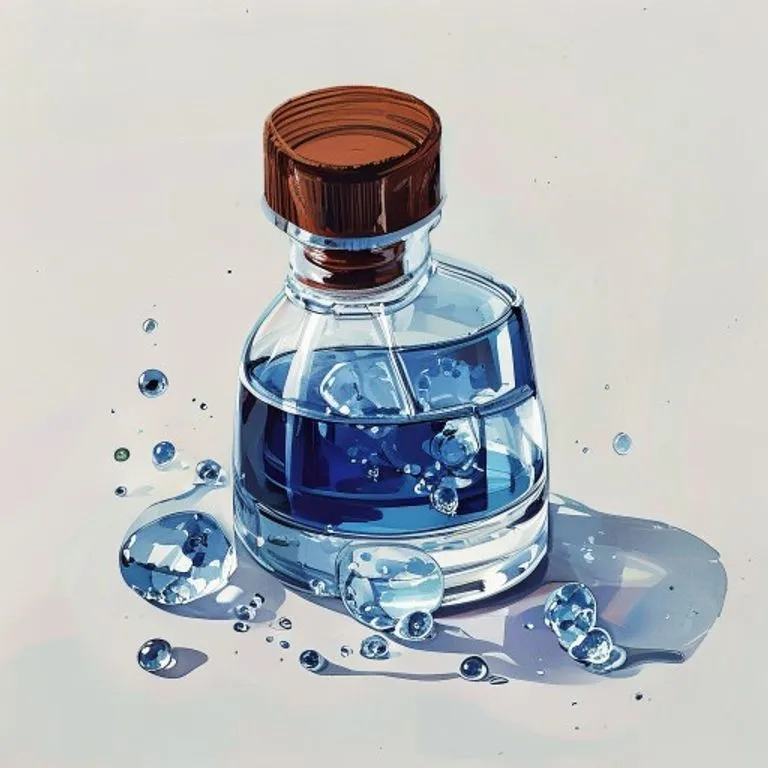
Acetone is the simplest and smallest ketone. It is a colorless, highly volatile and flammable liquid with a characteristic pungent odor. It is a very important solvent, capable of dissolving many plastics and synthetic fibers.
Description of what it is like
A thin, clear liquid that evaporates very quickly at room temperature. It has a sharp, somewhat fruity or “sweet” smell. It feels cold on the skin due to rapid evaporation.
Origin and where to find it
- Natural: Produced in small amounts in the human body through fat metabolism. Found in some plants.
- Synthetic: Produced industrially from propylene or through fermentation.
Minimum processing required
Dry Distillation of Acetates:
- Preparation: React Vinegar (acetic acid) with Lime (calcium oxide) or crushed eggshells (calcium carbonate) to produce calcium acetate.
- Drying: Evaporate the water to obtain dry calcium acetate powder.
- Distillation: Heat the dry calcium acetate in a retort without air. The heat decomposes it into calcium carbonate and acetone vapor.
- Condensation: Cool the vapor to collect liquid acetone.
Tools needed to work on it
- Retort or Distillation Flask: For heating the acetate.
- Condenser: To turn the vapor back into liquid.
- Heat Source: A steady fire or furnace.
- Storage Containers: Metal or glass (acetone dissolves many types of plastic).
Common forms of use
- Nail Polish Remover: One of its most common domestic uses.
- Paint Thinner: Dissolves many types of paints and varnishes.
- Degreaser: Used to clean metal parts before welding or painting.
Possible substitutes
- Alcohol (Ethanol/Isopropanol): A weaker solvent, but safer for some applications.
- Turpentine: For thinning oil-based paints.
- Methyl Ethyl Ketone (MEK): A similar but less volatile solvent.
Limitations and common failures
- Evaporation: If not tightly sealed, it will disappear quickly.
- Plastic Damage: It will melt or “eat” many common plastics (like polystyrene).
- Flammability: Vapors are heavier than air and can travel to an ignition source.
Risks and safety
- Fire Hazard: Extremely flammable. Keep away from open flames and sparks.
- Inhalation: Vapors can cause dizziness, nausea, or loss of consciousness in high concentrations.
- Skin Dryness: Removes natural oils from the skin, leading to irritation.
Related materials
- Vinegar: Source of acetic acid.
- Lime: Used to make calcium acetate.
- Bleach: Reacts with acetone to make Chloroform.
Properties
- Volatile liquid
- Colorless
- Flammable
- Pungent sweet odor
- Solvent
Used for
- Solvent
- Chemical precursor
- Cleaning agent
- Fuel additive
Manufacturing / Process
Historically produced by the dry distillation of acetates (like calcium acetate). Also produced by the fermentation of starch by certain bacteria (ABE fermentation).