SyntheticGenerated with AI2 min read
Verdigris
Cu(CH3COO)2
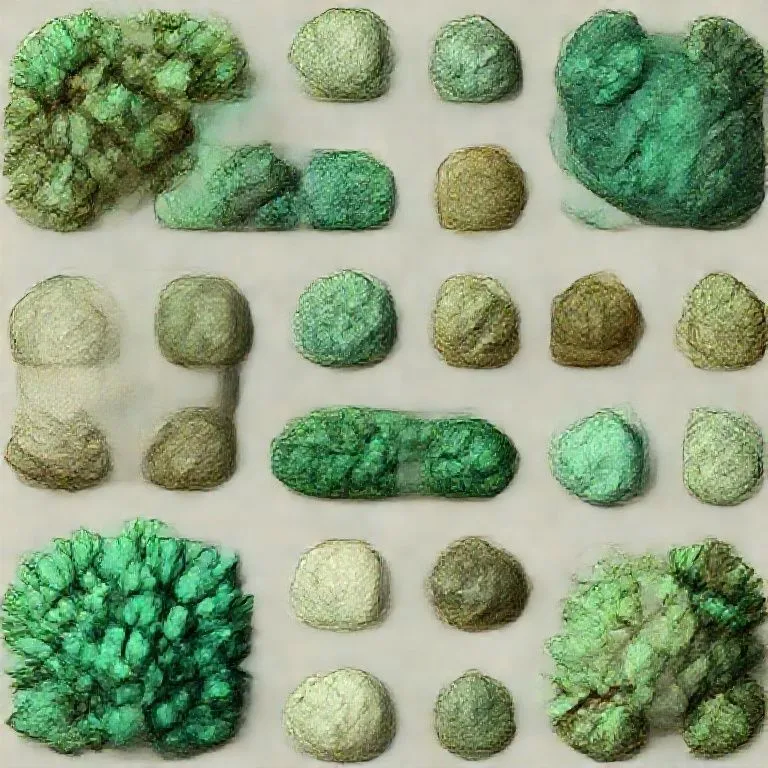
Verdigris is the common name for a green pigment obtained through the application of acetic acid to copper plates or the natural patina formed when copper, brass or bronze is weathered and exposed to air or seawater over time.
Description of what it is like
A vibrant blue-green powder or crust. It often appears as crystals growing on the surface of copper.
Origin and where to find it
- Not natural: Can occur naturally as weathering, but pigment is manufactured.
- Raw Materials: Copper and Simple Acids (Vinegar).
Minimum processing required
- Preparation: Clean copper sheets or scraps.
- Exposure: Suspend the copper over strong vinegar in a sealed container (pot). Do not let the copper touch the liquid.
- Reaction: The acid vapors react with the copper surface to form copper acetate (verdigris).
- Harvesting: Scrape the green crust off the copper periodically (every few days/weeks).
Tools needed to work on it
- Earthenware pots: To hold the vinegar and copper.
- Scraper: To remove the pigment.
- Drying area: To dry the crystals.
Common forms of use
- Paint: Ground into oil or egg yolk for painting.
- Dyeing: Used to fix dyes to cloth.
- Fungicide: Toxic to mildews and molds.
Possible substitutes
- Malachite: Natural green copper mineral (harder to grind).
- Green Earth: Natural clay pigment (duller color).
Limitations and common failures
- Instability: Can darken or turn black over time, especially in oil paints or if reacting with sulfur.
- Solubility: It dissolves in water, which can be an issue for some art forms.
Risks and safety
- Toxic: Copper compounds are poisonous if ingested. Wash hands after use.
- Irritant: Dust can irritate eyes and lungs.
Related materials
- Copper: The metal base.
- Simple Acids: The reactive agent.
- Pigments: The category.
Properties
- Green-blue color
- Toxic
- Crystalline
- Soluble in water
Used for
- Green pigment
- Fungicide
- Dye mordant
- Medical (historical)
Manufacturing / Process
Exposing copper plates to vapors of strong vinegar (acetic acid).