SyntheticGenerated with AI2 min read
Spring Steel
Fe + C + Mn/Si
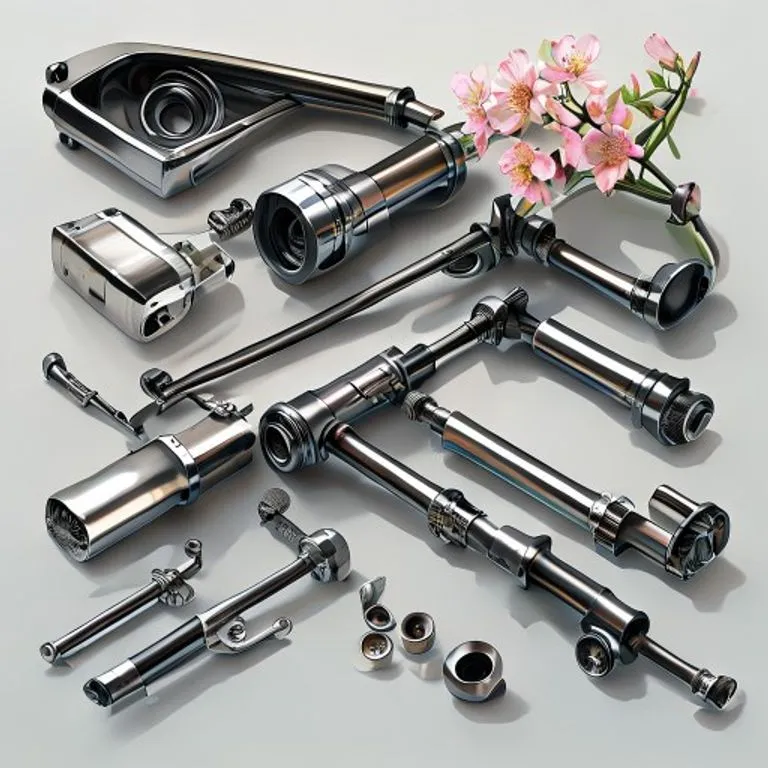
Description
A type of high-carbon or alloy steel with a very high yield strength. It allows objects made of spring steel to return to their original shape despite significant deflection or twisting.
Description of what it is like
It looks like regular steel but is much harder to bend permanently. If bent within its elastic limit, it snaps back instantly.
Origin and where to find it
- Manufactured: Does not occur naturally. Must be forged from iron and carbon with specific heat treatment.
- Scavenging: Old car suspension springs, saw blades, piano wire.
Minimum processing required
- Hardening: Heating to critical temperature and quenching.
- Tempering: Reheating to a lower temperature to reduce brittleness and increase toughness.
Tools needed to work on it
- Forge: To heat treat.
- Grinder: To shape (hard to file).
- Oil/Water: For quenching.
Common forms of use
- Coiled Springs: For suspension or mechanisms.
- Flat Springs: For leaf springs or clockwork mainsprings.
Possible substitutes
- Work-hardened Bronze: For non-magnetic springs.
- Wood/Bamboo: For primitive bows or traps (lower durability).
Limitations and common failures
- Fatigue: Repeated cycling can cause cracks and failure.
- Rust: High carbon content makes it prone to corrosion if not oiled or painted.
- Overheating: Losing temper if heated too much during grinding.
Risks and safety
- Snapping: Can break violently under tension, releasing stored energy.
- Shards: Hard fragments can fly if it shatters.
Related Inventions
Properties
- High yield strength
- Elasticity
- Resilience
Used for
- Springs
- Blades
- Lockpicks
- Antennas
Manufacturing / Process
Alloying steel with medium-to-high carbon and hardening/tempering.