NaturalGenerated with AI2 min read
Quinine
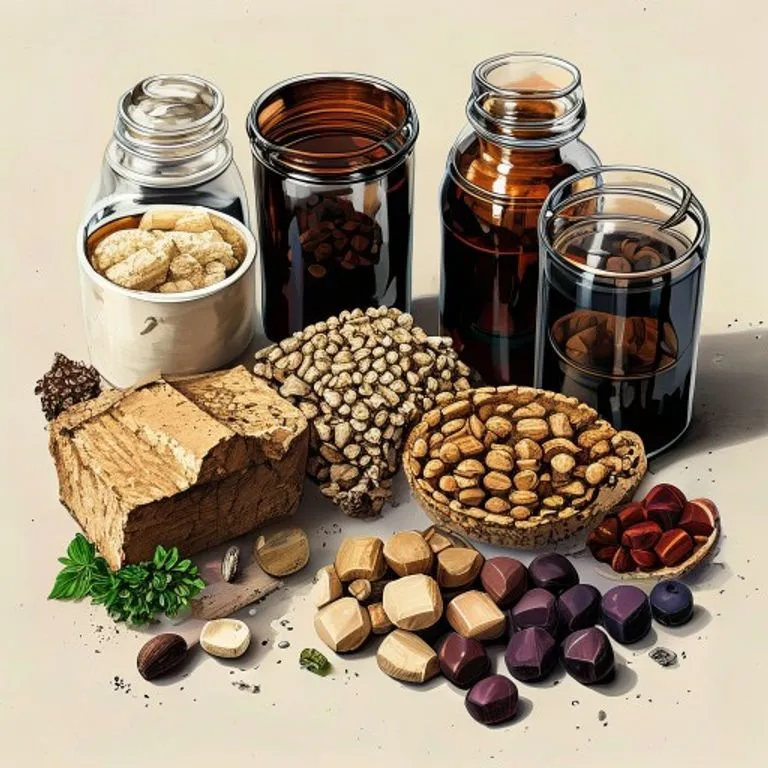
Quinine is a natural alkaloid derived from the bark of the cinchona tree. It was the first effective treatment for malaria and remained the primary antimalarial drug until the 1940s.
Description of what it is like
A white crystalline powder with an intensely bitter taste. It is often encountered as the ground bark of the Cinchona tree (Cinchona officinalis).
Origin and where to find it
- Environments: Tropical rainforests, specifically on the eastern slopes of the Andes mountains in South America.
- Visual signs: The Cinchona tree has large, glossy leaves and small, fragrant flowers. The bark is the source of the quinine.
- Transformation: Requires extraction from the bark.
Minimum processing required
- Grinding: The dried bark is ground into a fine powder.
- Infusion: The powder is steeped in water or wine to extract the alkaloids.
- Purification: Advanced chemical processes can isolate pure quinine crystals.
- Proper processing: If not ground or infused properly, the active alkaloids may not be effectively released.
Tools needed to work on it
- Basic tools: Mortar and pestle for grinding, containers for infusion.
- Technological level: Basic for infusion, intermediate for chemical extraction.
Common forms of use
- Bark infusion: “Jesuit’s tea” or cinchona infusion.
- Tonic: Mixed with water, sugar, and citrus to mask the bitterness.
- Pills: Purified quinine sulfate.
Possible substitutes
- Artemisinin: Derived from sweet wormwood, another potent antimalarial.
- Synthetic antimalarials: Chloroquine, etc.
- Willow bark (Aspirin): Can reduce fever but does not treat the underlying malaria parasite.
Limitations and common failures
- Resistance: Some strains of malaria have developed resistance to quinine.
- Degradation: Exposure to light and moisture can degrade the bark’s potency over time.
Risks and safety
- Cinchonism: Overdose or prolonged use can cause tinnitus (ringing in ears), dizziness, blurred vision, and nausea.
- Toxicity: In high doses, it can be toxic to the heart and cause abnormal rhythms.
Related materials
Properties
- Bitter
- Antipyretic
- Antimalarial
- Analgesic
Used for
- Treatment of Malaria
- Flavoring (Tonic Water)
- Reducing fever