SyntheticGenerated with AI3 min read
Parchment
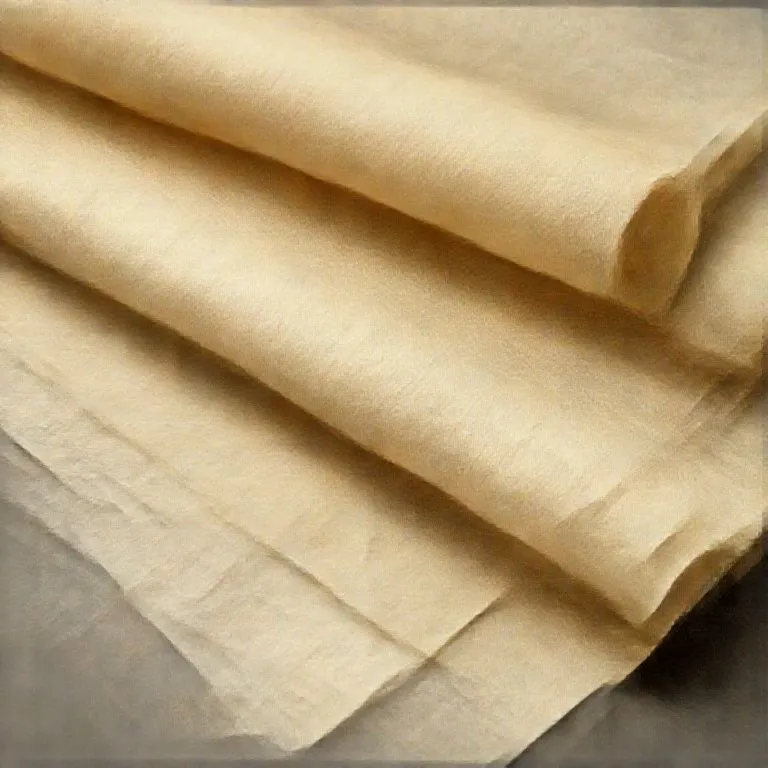
Parchment is a writing material made from specially prepared untanned skins of animals—primarily sheep, calves, and goats. It has been used as a writing medium for over two millennia.
Description of what it is like
Parchment is a thin, tough, and usually cream-colored material. It is much more durable than paper or papyrus. It has a smooth surface that can be written on with ink. High-quality parchment is often called vellum.
Origin and where to find it
- Environments: Anywhere livestock (sheep, goats, cattle) is raised.
- Signs: Derived from the skins of young animals for the best quality.
- It is a highly processed material of animal origin.
Minimum processing required
- Unhairing: Soaking the skin in a lime solution to remove hair and fat.
- Stretching: Stretching the wet skin on a wooden frame (herse).
- Scraping: Scraping the skin with a curved knife (lunellum) to achieve uniform thickness while still wet and under tension.
- Drying: Allowing the skin to dry while stretched to align the fibers.
- Polishing: Rubbing with pumice or chalk to prepare the surface for ink.
Tools needed to work on it
- Wooden stretching frames and clips.
- Lunellum (half-moon shaped knife).
- Lime pits or vats.
- Pumice stones for polishing.
Common forms of use
- Rolls and Scrolls: For long documents.
- Codices: Bound books, where parchment excelled due to its ability to be folded.
- Charters: Official legal documents where longevity was essential.
Possible substitutes
- Paper: Cheaper and easier to produce but less durable.
- Papyrus: Less durable and restricted to certain climates.
- Leather: Tanned leather is too oily and dark for good writing, whereas parchment is untanned and degreased.
Limitations and common failures
- Humidity: While more resistant than papyrus, extreme humidity can cause it to warp or “cockle.”
- Cost: Very expensive, as it requires the skin of an animal for just a few pages.
- Insects: Can be attacked by certain pests if not stored properly.
Risks and safety
- Chemicals: The liming process involves strong alkaline solutions that can irritate skin and eyes.
- Biological: Working with raw hides requires hygiene to avoid infection.
Related materials
- Leather: The same raw source (animal skins), but processed differently (parchment is untanned).
- Ink: Used to write on parchment.
- Bone: Often from the same source animals.
Properties
- Extremely durable
- Strong
- Smooth
- Flexible
Used for
- Writing surface
- Bookbinding
- Drum heads
- Legal documents
Manufacturing / Process
Prepared from animal skins (usually calf, sheep, or goat) by liming, scraping, and drying under tension on a frame.