SyntheticGenerated with AI2 min read
Hydrochloric Acid
HCl
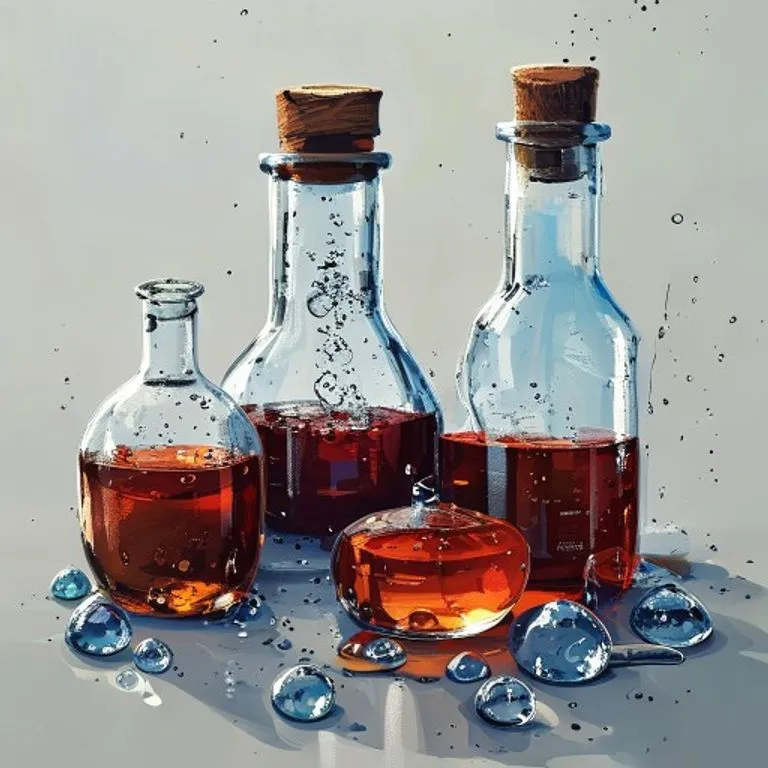
Hydrochloric acid is a strong, highly corrosive acid that is a solution of hydrogen chloride in water. It is a fundamental industrial chemical with a wide range of applications.
Description of what it is like
A colorless to slightly yellowish liquid (due to impurities) with a sharp, irritating odor. It fumes in air at high concentrations.
Origin and where to find it
- Not natural: While found in stomach acid, industrial quantities must be manufactured.
- Industrial Source: Often a byproduct of other chemical processes or produced specifically by reacting salt with sulfuric acid.
Minimum processing required
- Mannheim Process: Reacting Sodium Chloride (salt) with Sulfuric Acid.
- Direct Synthesis: Burning Hydrogen gas in Chlorine gas.
Tools needed to work on it
- Glass or Ceramic containers: It corrodes most metals.
- Distillation apparatus: For purification.
Common forms of use
- Metal Pickling: Removing rust or scale from steel.
- Regenerating Ion Exchangers: Used in water treatment.
Possible substitutes
- Sulfuric Acid: For some cleaning or pickling tasks.
- Phosphoric Acid: Less aggressive for rust removal.
Limitations and common failures
- Volatile: Hydrogen chloride gas can escape from solution.
- Highly Reactive: Can react violently with bases and some metals.
Risks and safety
- Severe Burns: Causes immediate damage to skin and eyes.
- Toxic Vapors: Inhaling fumes can cause respiratory damage.
- Reactivity: Never mix with bleach (produces toxic chlorine gas).
Related materials
- Salt: The raw material for its production.
- Sulfuric Acid: Used in its manufacture.
Properties
- Corrosive
- Colorless (pure)
- Pungent smell
- Soluble in water
Used for
- Metal pickling
- pH regulation
- Chemical synthesis
- Gastric acid
Manufacturing / Process
Reaction of sulfuric acid with sodium chloride (salt) or by direct synthesis from hydrogen and chlorine.