Generated with AI2 min read
How to Identify Edible and Non-Edible Plants
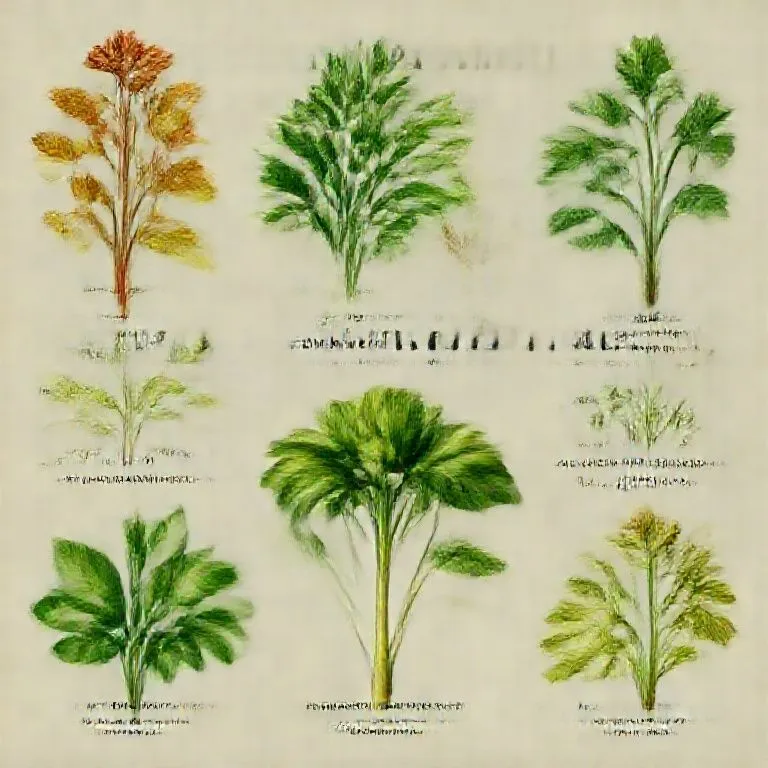
Related Materials
Brief description
A practical guide to recognize edible plants and avoid toxic species through observation, comparison, and controlled tasting steps.
Use / Function
- Survival: Obtain safe plant food when no supply exists.
- Foraging: Select leaves, roots, fruits, and seeds that are safe to eat.
- Food safety: Reduce poisoning from misidentification.
- Scale: Personal and community.
Operating principle
It relies on basic botanical identification (shape, leaves, flowers, habitat) and risk filters that exclude plants with warning signs. When certainty is low, a gradual edibility test is used by parts to limit exposure.
How to create it
- Observe the environment: Note habitat, season, and growth pattern (tree, shrub, herb, vine).
- Describe morphology: Leaf shape, edge, arrangement (opposite/alternate), venation, sap color, and smell when crushed.
- Filter warning signs: Avoid plants with milky latex, bitter almond or chemical smell, overly glossy fruits, extremely bitter seeds, or unidentified families.
- Prioritize safer options: Known edible herbs, starchy roots, and fruits identified with certainty.
- Separate by parts: Leaves, stems, flowers, fruits, and roots must be assessed independently.
- Gradual testing: Cook when possible and test small amounts, waiting long enough before increasing intake.
- Record results: Keep simple notes to repeat safe choices and avoid doubtful ones.
Materials needed
- Essential: Clean container, water for washing and cooking, heat source if available.
- Tools: Knife, basket or carrier using plant fibers, grinding stone if processing.
- Substitutes: Large leaves for wrapping, natural containers (gourds or bark).
Variants and improvements
- Seasonal calendar: List of safe species by season.
- Local comparison: Use regional guides or ethnobotanical knowledge.
- Preservation: Drying or pre-cooking to reduce toxins and improve storage.
Limits and risks
- Identification errors: The main cause of poisoning.
- Cumulative toxins: Some plants are safe in small amounts but harmful over time.
- Allergies: Unexpected reactions even with edible plants.
- Contamination: Pesticides, heavy metals, or wastewater can make them dangerous.
- Mushrooms: High-risk and not for consumption without expert identification.