Generated with AI2 min read
Comb
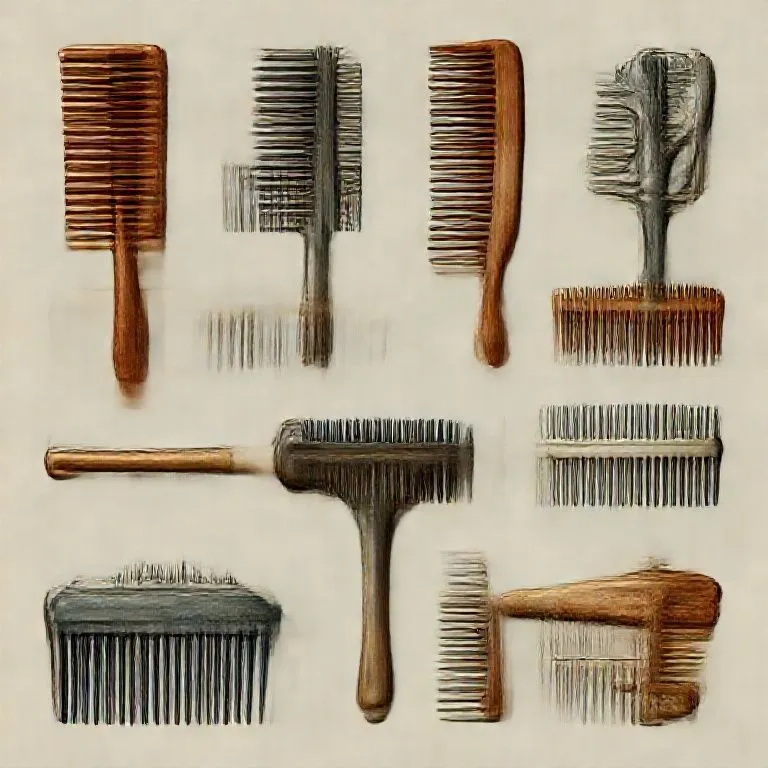
Brief description
A comb is a toothed tool used for detangling, cleaning, and arranging hair or fur. In survival contexts, its critical function is hygiene and parasite control.
Use / Function
- Deworming: Fine-toothed combs (nit combs) are essential for removing lice and nits.
- Hygiene: Removes dirt, dandruff, and dead hair.
- Maintenance: Detangling hair prevents the formation of knots that can harbor dirt and pests.
Operating principle
The teeth of the comb act as parallel wedges that separate strands of hair as they pass through them. If the spacing is narrow enough, they trap solid objects (like insects or dirt) while letting hair pass.
How to create it
- Material selection: A flat, rectangular piece of hardwood, bone, or horn.
- Carving the shape: Cut the basic shape.
- Cutting the teeth:
- Use a very fine saw to make parallel cuts.
- Or carve V-shaped grooves with a sharp knife.
- Finishing: Sand the teeth very well so they don’t have splinters that break the hair.
Required technological level
Basic to intermediate (requires precision in cutting).
Materials needed
- Hardwood: Boxwood, cherry, maple (fine-grained woods).
- Bone/Horn: Very durable and allow for finer teeth.
- Cutting tools: Fine saw or sharp knife.
Variants and improvements
- Wide-toothed comb: For detangling.
- Fine-toothed comb (Nit comb): Minimal space between teeth to trap parasites.
Limits and risks
- Fragility: Wood or bone teeth can break if forced against hard knots.
- Comb hygiene: Must be washed regularly so as not to reintroduce dirt or parasites.