Generated with AI2 min read
Can Opener
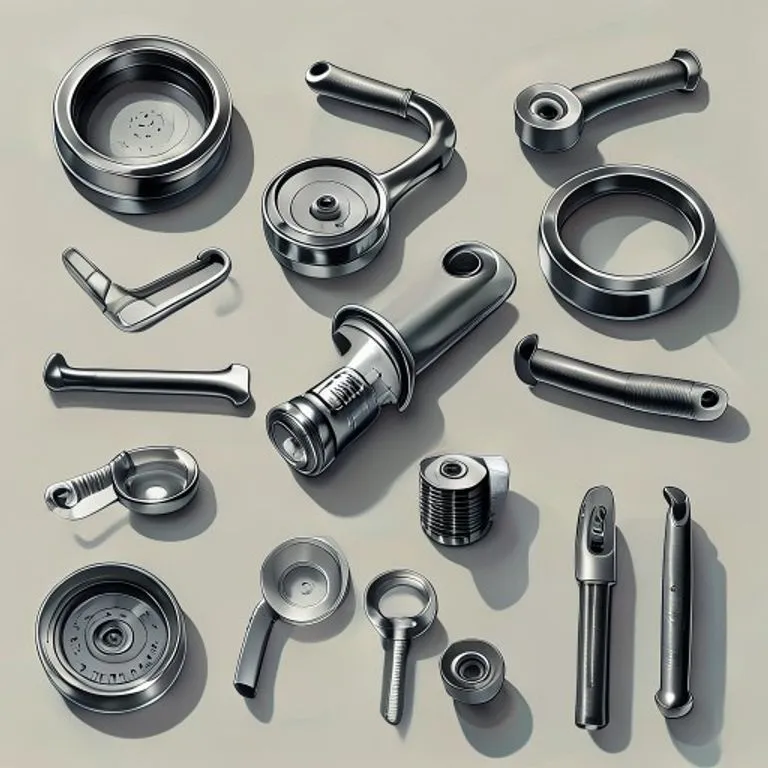
Made of
Brief description
A device used to open steel or tin cans (metal containers). Early cans were robust and required a hammer and chisel; the dedicated can opener appeared later as cans became thinner.
Use / Function
- Primary use: Cutting through the lid of metal cans to access contents.
- Scale: Domestic, military.
Operating principle
Most manual can openers use a lever to puncture the lid and a rotating wheel or blade to shear the metal along the rim.
- Leverage: To puncture the metal.
- Shearing: To cut the metal as the opener moves around the circumference.
How to create it
Minimum functional version
- Blade: A sharp, curved steel hook or blade (like the P-38 military opener).
- Fulcrum: A notch or hook that catches the rim of the can to provide leverage.
- Operation: The user rocks the blade to puncture and cut, inching around the rim.
Technical level
- Intermediate: Requires precise shaping of the hardened steel blade and fulcrum notch.
Materials needed
- Essential materials:
- Steel: Must be hardened to cut through tinplate/steel cans without dulling quickly.
- Tools:
- Forge/Grinder: To shape the cutting edge and rim hook.
Variants and improvements
- Lever-type (Claw): Simple blade that punches through (e.g., classic pocket knife tool).
- Rotating Wheel: A serrated wheel grips the rim while a cutting wheel shears the lid (modern kitchen opener).
- P-38/P-51: Tiny, folding military openers.
- Safety Opener: Cuts the side of the rim, leaving no sharp edges.
Limits and risks
- Sharp Edges: Both the opener blade and the cut lid are extremely sharp and can cause lacerations.
- Metal Shavings: Poor quality openers may drop metal filings into the food.
- Rust: The cutting mechanism is prone to rust if not dried after washing.