SyntheticGenerated with AI2 min read
White Lead
2PbCO3·Pb(OH)2
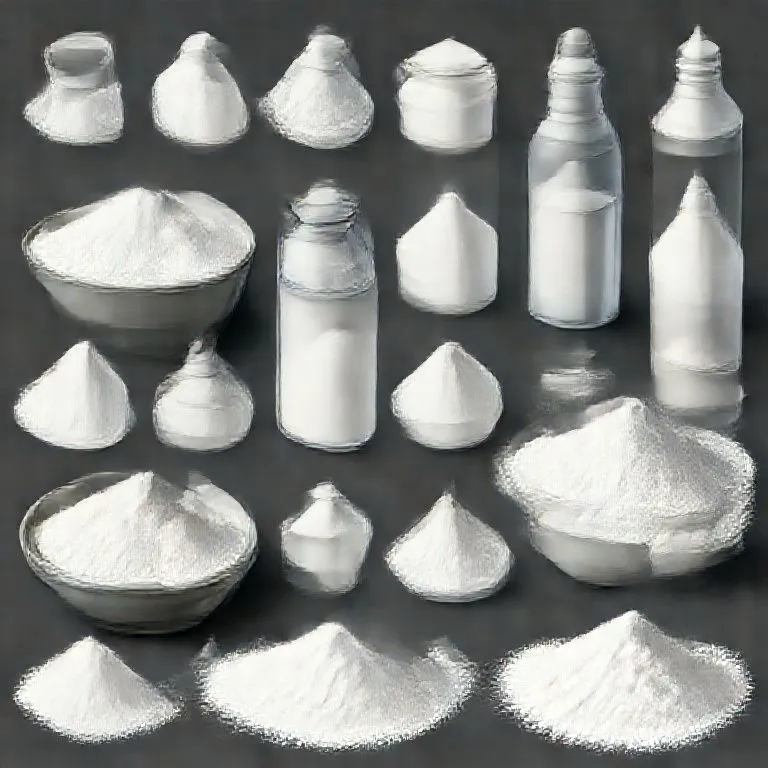
White lead is a complex salt containing both carbonate and hydroxide of lead. For centuries, it was the principal white pigment used in European painting and cosmetics, despite its toxicity.
Description of what it is like
A heavy, dense, brilliant white powder. It provides excellent coverage and opacity in oil paints.
Origin and where to find it
- Not natural: Manufactured product.
- Raw Materials: Lead, Simple Acids (Vinegar), and a source of CO2 (manure/tanbark).
Minimum processing required
- Dutch Stack Process:
- Place vinegar in clay pots.
- Place lead coils/buckles inside the pots, above the vinegar.
- Stack the pots and cover them with fermenting manure or tanbark.
- The manure generates heat and CO2. The vinegar generates acetic acid vapors.
- Leave for weeks/months.
- Harvesting:
- The lead corrodes into a white crust.
- Scrape off the crust, grind it, wash it, and dry it.
Tools needed to work on it
- Clay pots: Designed to hold vinegar and lead separately.
- Sheds/Pits: To contain the stacks and manure.
- Grinding stones: To process the crust into powder (do this wet to avoid dust!).
Common forms of use
- Paint: The standard white pigment for centuries. Dries fast in oil.
- Cosmetics: Used as face powder (Venetian Ceruse) - caused severe poisoning.
Possible substitutes
- Titanium Dioxide: Modern, non-toxic substitute (hard to make primitively).
- Zinc Oxide: Another white pigment.
- Chalk/Lime: Whiter but less opaque/covering power.
Limitations and common failures
- Blackening: Can turn black if exposed to sulfur fumes.
- Health: Long-term exposure leads to severe lead poisoning (saturnism).
Risks and safety
- EXTREMELY TOXIC: Inhalation or ingestion leads to cumulative lead poisoning. Symptoms include pain, madness, sterility, and death.
- Dust: Always grind wet to prevent dust. Wear protection.
Related materials
- Lead: The metal base.
- Simple Acids: The reactive agent.
- Animal Fat/Manure: Source of heat and CO2.
Properties
- Dense white powder
- Toxic
- Opaque
- Sweet taste (Deadly!)
Used for
- White pigment
- Cosmetics (Historical)
- Ceramic glaze
- Paint base
Manufacturing / Process
Stack process: Exposing lead coils to vinegar vapors and CO2 from fermenting manure.