SyntheticGenerated with AI3 min read
Sandpaper
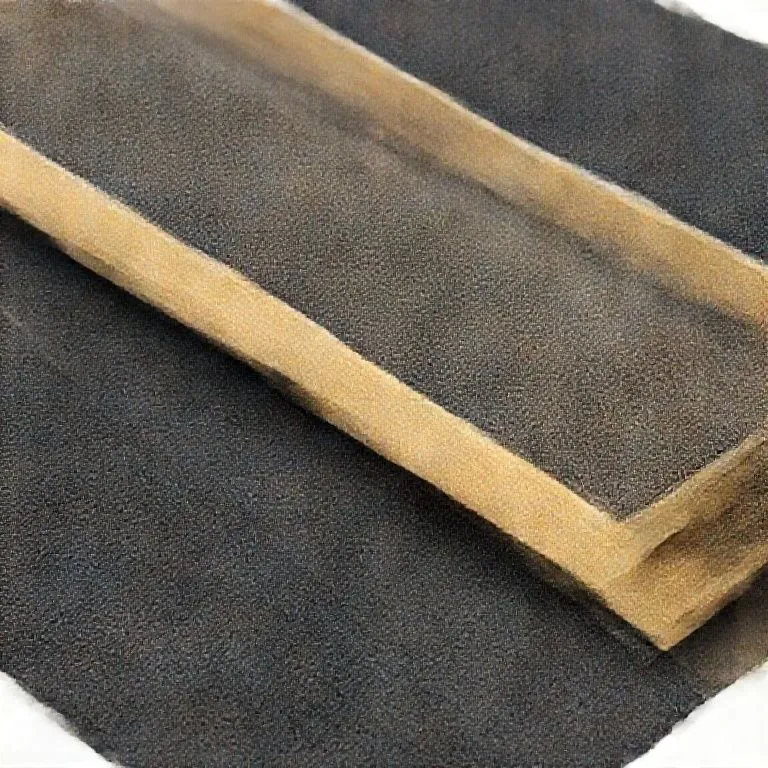
Brief description
Sandpaper is a coated abrasive material consisting of sheets of paper or cloth with abrasive material glued to one face. It is used to remove small amounts of material from surfaces, either to make them smoother (e.g., in painting and wood finishing), to remove a layer of material (such as old paint), or sometimes to make the surface rougher (e.g., as a preparation for gluing).
Description
It is generally a sheet of thick paper, brown or yellowish, with a rough, gritty surface on one side. The roughness varies from very coarse (like small gravel) to very fine (like dust).
Origin and where to find it
- Environments: It is a manufactured product, but its components can be found in nature.
- Components: Sand (silica), ground glass, garnet, or emery; paper or leather; glue or resin.
- It is a composite material.
Minimum processing required
- Backing preparation: Obtain strong paper, cloth, or tanned leather.
- Abrasive preparation: Sift sand or crush glass/stone to obtain a uniform grain size.
- Application: Apply a layer of glue to the backing and sprinkle the abrasive evenly before the glue dries.
- Curing: Let it dry completely.
Tools needed to work it
- Sieves/Screens: To sort the abrasive grain size (the “grit”).
- Brush: To apply the glue.
- Scissors/Knife: To cut the sandpaper to the desired size.
Common forms of use
- Sheets: For manual use or on sanding blocks.
- Belts/Discs: For sanding machines (modern versions).
- Sponges: Flexible blocks coated with abrasive.
Possible substitutes
- Sharkskin (Shagreen): Historically used as a very effective natural sandpaper.
- Horsetail (Equisetum): A plant with high silica content used for polishing.
- Sand and a rag: Rubbing loose sand with a cloth or leather.
- Pumice: For fine smoothing.
Limitations and common failures
- Clogging: Dust from the sanded material can clog the spaces between abrasive grains, rendering the sandpaper ineffective.
- Wear: Abrasive grains detach with use.
- Moisture: Regular paper falls apart if it gets wet (waterproof paper is required for wet sanding).
Risks and safety
- Dust: Sanding produces fine dust that can be harmful if inhaled (use a mask).
- Skin abrasion: Can scrape skin if handled carelessly.
Related materials
- Sand: The most basic abrasive.
- Glass: Ground glass used for “glasspaper”.
- Glue: Needed to fix the abrasive.
- Paper/Cloth: The backing material.
Properties
- Abrasive
- Flexible
- Rough
Used for
- Wood smoothing
- Metal polishing
- Surface preparation
Manufacturing / Process
Adhesion of abrasive grains to a flexible backing (paper or cloth).