SyntheticGenerated with AI3 min read
Papyrus
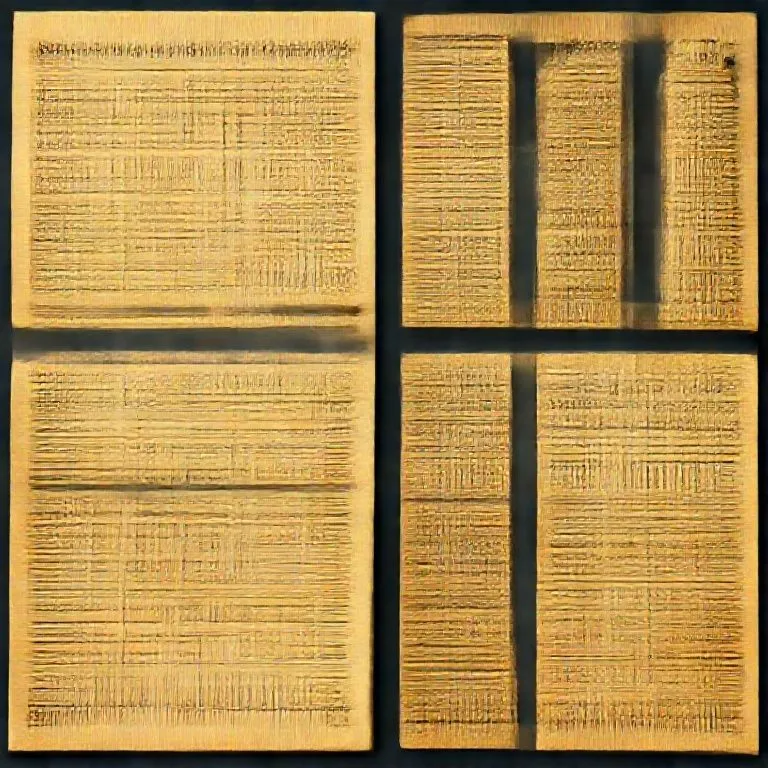
Papyrus is a material similar to thick paper that was used in ancient times as a writing surface. It was made from the pith of the papyrus plant, Cyperus papyrus, a wetland sedge.
Description of what it is like
Papyrus is a brownish, fibrous material. It is flexible but can become brittle over time, especially if exposed to moisture. It has a distinct grain resulting from the layered strips of the plant pith.
Origin and where to find it
- Environments: Marshy areas and river deltas (traditionally the Nile delta).
- Signs: Tall, triangular-stemmed reeds growing in shallow water.
- It is a processed material derived from a specific plant.
Minimum processing required
- Harvesting: Cutting the stems of the papyrus plant.
- Slicing: Removing the outer green rind and slicing the inner white pith into thin strips.
- Layering: Placing the strips side-by-side on a hard surface, with a second layer placed on top at right angles.
- Pressing/Beating: Beating the layers together so the natural juices of the plant act as an adhesive.
- Drying: Drying the sheets under pressure and then polishing with a smooth stone or shell.
Tools needed to work on it
- Sharp knives for slicing.
- Mallets or heavy stones for pressing.
- Smooth stones for polishing.
- Large flat surfaces.
Common forms of use
- Scrolls: Long sheets made by gluing several papyrus pages together and rolling them.
- Codices: Early forms of books made by binding sheets together.
- Utility items: Coarser parts of the plant were used for mats, ropes, and small boats.
Possible substitutes
- Paper: The modern and more versatile successor.
- Parchment: More durable but more expensive animal-based alternative.
- Clay tablets: Heavier and more durable but less portable.
Limitations and common failures
- Humidity: Papyrus rots easily in damp environments; most surviving examples are from arid deserts.
- Fragility: Can become very brittle and flake away if handled roughly after centuries.
- One-sided: Usually, only one side (the one with horizontal fibers) was intended for writing.
Risks and safety
- Low risk: The primary risk is to the material itself from environmental factors.
- Over-harvesting: The papyrus plant became nearly extinct in some regions due to high demand in antiquity.
Related materials
- Plant Fibers: The base material for papyrus.
- Ink: Used to write on papyrus surfaces.
- Water: Used during the processing of the pith strips.
Properties
- Lightweight
- Flexible
- Durable in dry climates
- Fibrous
Used for
- Writing surface
- Boats
- Mats
- Sandals
Manufacturing / Process
Made from the pith of the Cyperus papyrus plant by slicing it into strips, layering them crosswise, and pressing them together.